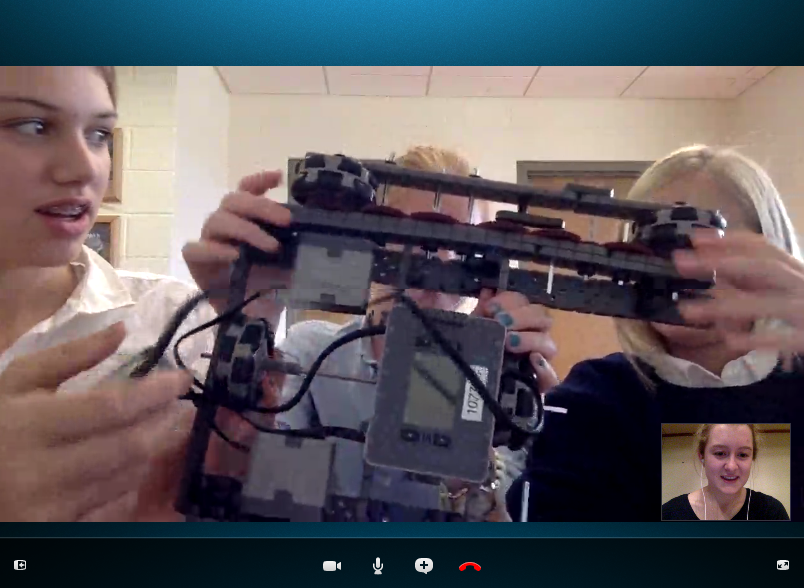
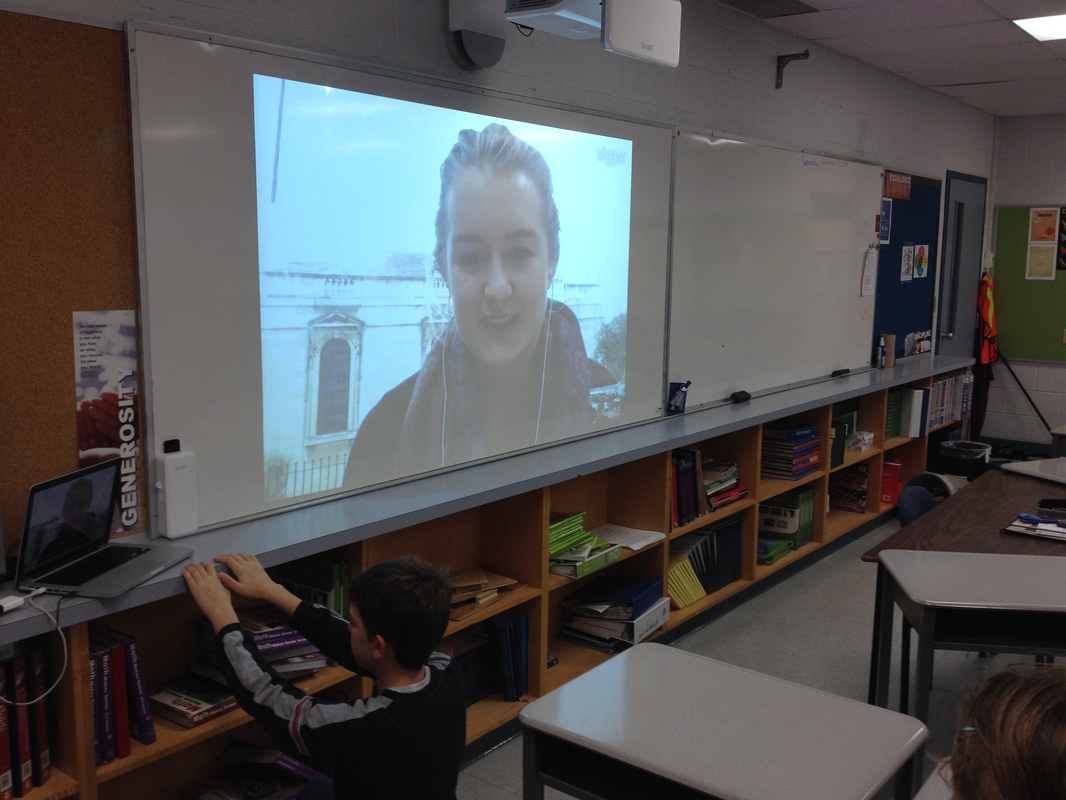
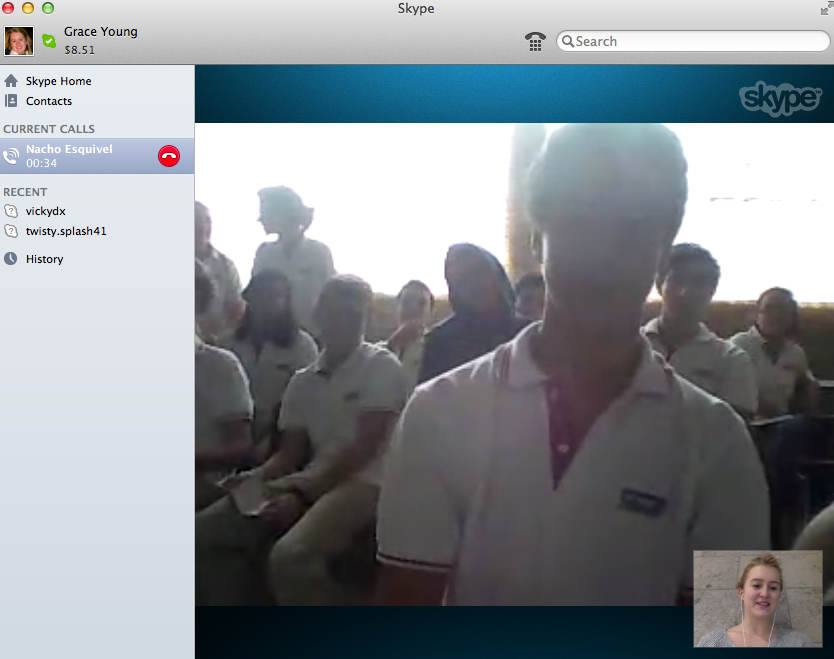
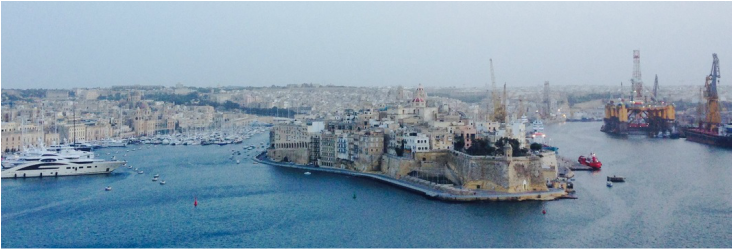
| I'm speaking about noise pollution in the ocean and its affect on animal welfare at the Oxford Centre for Animal Ethics on Monday 4th May at 8pm. It will be an informal talk/discussion over wine and vegan snacks. If you'd like to attend, shoot me a message! More information here. |
|
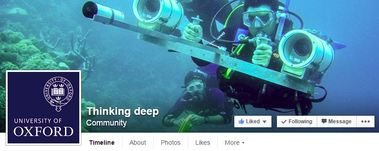
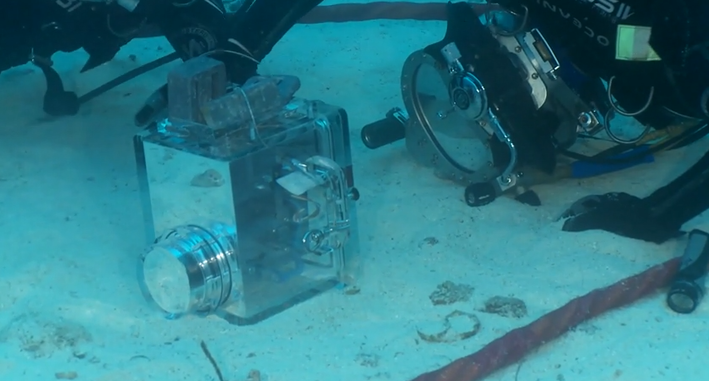
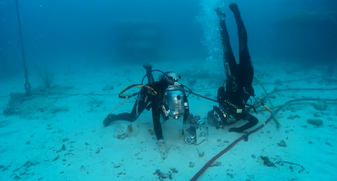
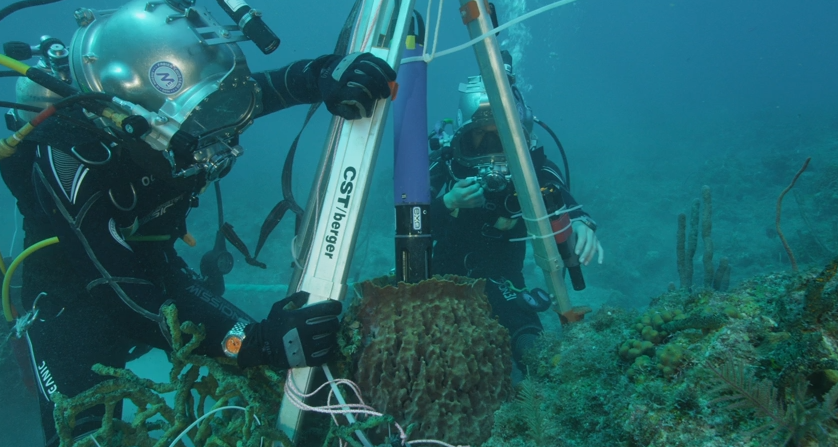
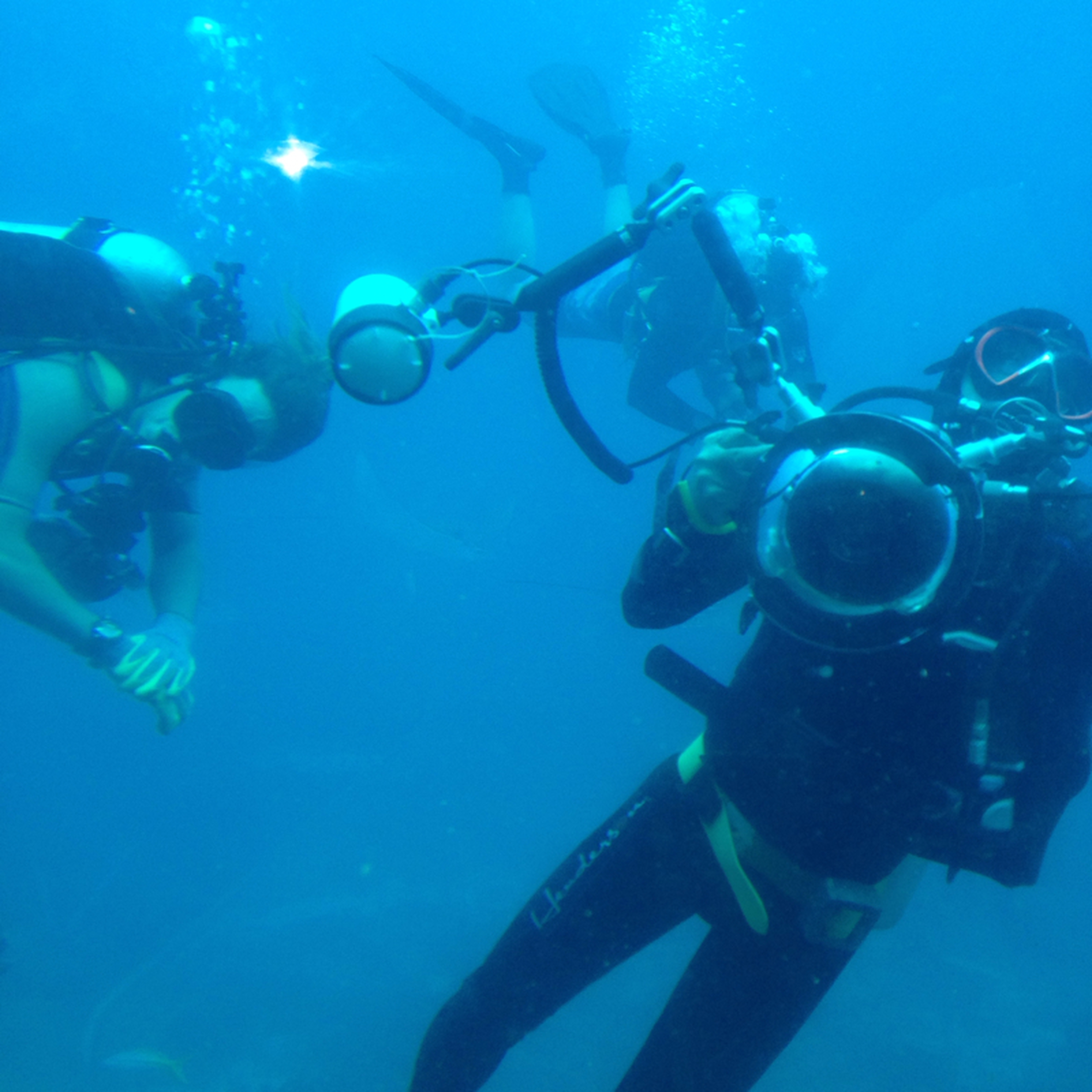
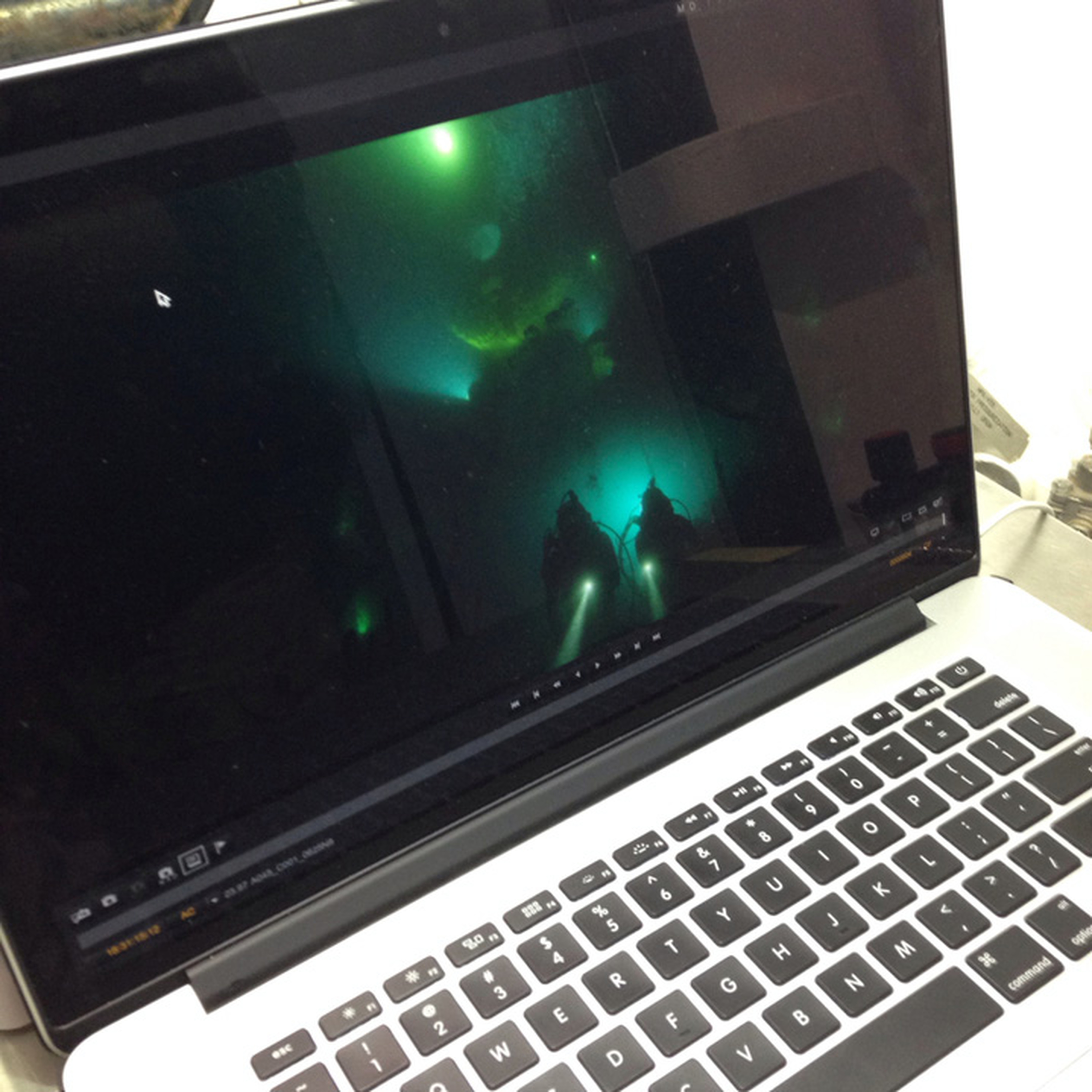
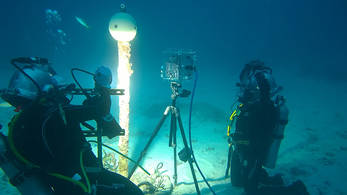
The last two months my research team at Oxford and I have been exploring mesophotic reefs using Hollis Prism 2 rebreathers. More information in this blog post -- "Diving Deeper and Longer to Study Never Before Seen Coral Reefs" and our Facebook page -- "Thinking Deep."
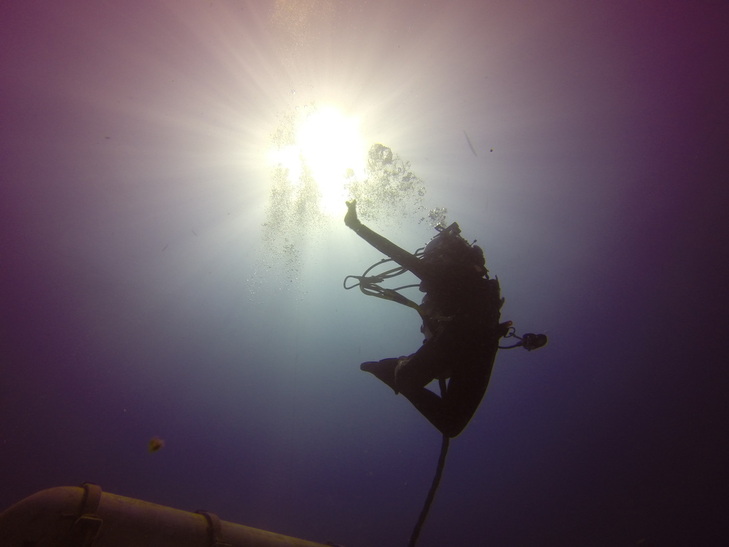
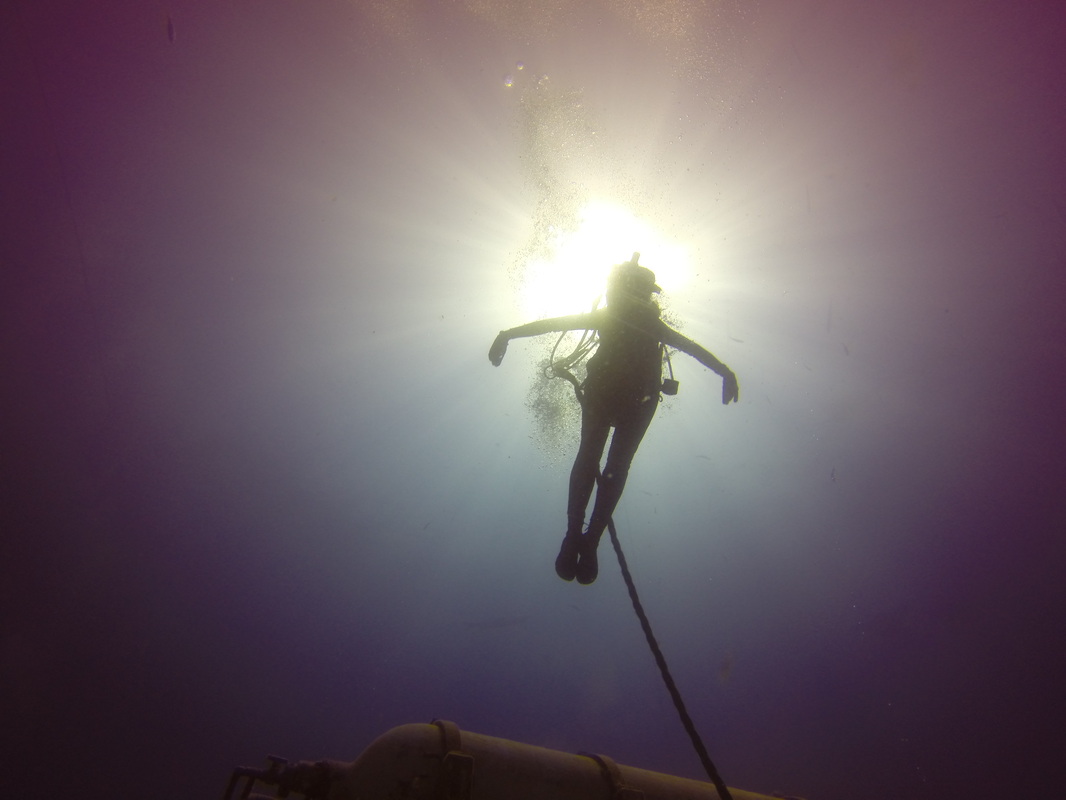
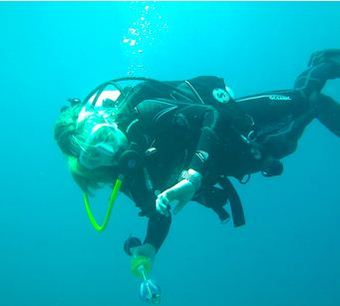
REBREATHER TRAINING: BEYOND TRADITIONAL SCUBAThe past weeks I've been learning to rebreather dive with two other Oxford PhD students. The rebreathers allow us to study reefs below traditional SCUBA depth limits (up to 120m/400ft). They also scare away fewer fish than traditional SCUBA because they don't produce bubbles. The concept is that on a rebreather you're essentially breathing the same breath over and over; when you exhale CO2 is removed and oxygen added. The only caveat is that the units are more mechanically complex than normal SCUBA rigs and therefore require more training and skill.
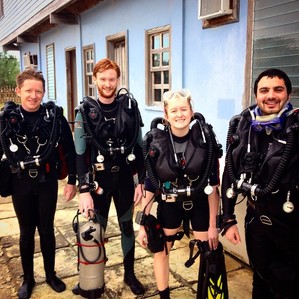
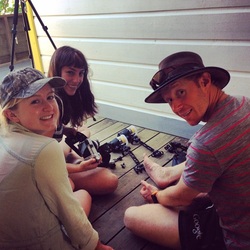
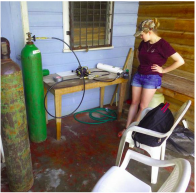
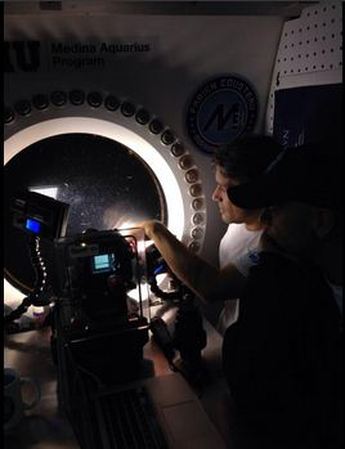
A LITTLE REBREATHER HISTORYRebreather technology has been around more than a decade, but they are only recently becoming more widely used and accepted in the scientific and recreational diving communities. Statistically, diving a rebreather is more dangerous than diving SCUBA. Accidents are all linked to user error, however, apart from a few truly freak accidents. If a diver is well trained, thoroughly inspects and maintains her unit, and follows a conservative dive plan, the rebreather diving is extremely safe and greatly benefits research. They allow us to dive to greater depths for longer periods of time and without bubbles that disturb marine life. WHAT & WHERE One of the research questions we are looking into is how deep reefs may (or may not be) sheltering some corals from the effects of climate change and fishing. More on that question in this PBS article. We are training off the island of Utila, which is the site of my dive buddies' (Dom and Jack's) PhD experiments. They have a close relationship with the dive center here as they help run a program for marine biology students here on the summers. The reefs here are fairly healthy and can be reached without expensive boat trips, which is somewhat rare and helps keep research costs low. To top it off, Utila is a gorgeous Caribbean island! The pictures with captions in the slide show below illustrate some of our adventures so far, including learning to use the Google Street "Ocean" View camera. For those in the DC area... I'll be speaking at Walt Whitman High School next Tuesday and anyone is welcome to attend. Thank you MIT Club of Washington for organizing! Information below.
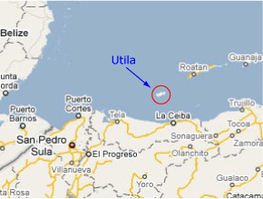
Next week I'll be temporarily leaving the comfort of Oxford for an exciting round of adventures. It starts in New Orleans, for the Underwater Interventions conference sponsored by the Marine Technology Society, where I'm giving talks on the ultra-slow motion underwater camera from Mission 31 and the stereo-camera system for monitoring fish from NOAA. From there, a friend and I will road trip through the alligator-infested swamps of Louisiana for a few days before flying to Washington DC to see family and move the exhibit of ultra-slow motion underwater photography from MIT to its next stop, The Potomac School in McLean, VA. I'll then rendezvous with our Oxford research team in Miami, where fellow aquanaut Adam Zenone has kindly been accepting our shipments of research equipment, before heading to Utila, Honduras, where we'll spend four weeks training on rebreathers and flying the openROV over mesophotic coral reefs. And finally, back to the comfort of Oxford!
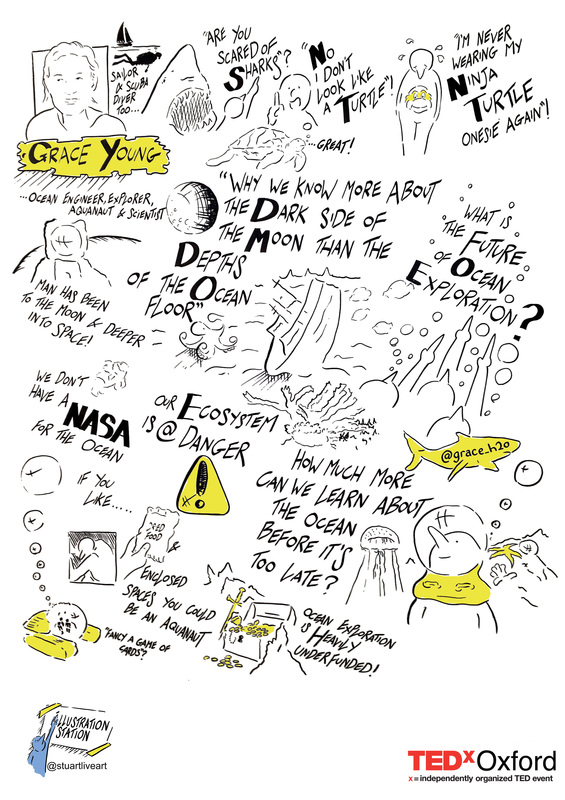
"I DARE you, while there is still time, to have a MAGNIFICENT obsession." William Danforth A ship is safe in harbor, but that's not what ships are for. Many thanks to Stuart Young, founder of Illustration Station, for creating this illustration during my TEDx Talk last weekend! The video of the talk will be up on the TED website in a month or so.
Another PhD student in my group needs 18 months to finish analyzing an enormous set of data he has collected on coral reefs. I just highlighted his work and Crowdfunder campaign on the Act Now page; learn more and support if you can! His work is fascinating and he's happy to reach out to groups who want to learn more about coral. Many thanks to all those who attended the exhibit opening yesterday! Over 130 people attended, we had plenty of chocolate from Waggoner Chocolates, and I'd say it was a success! Getting plenty of positive feedback, but also looking forward to revising the exhibit slightly so that it can travel. Photos from Chris Welch Photography. Thanks again to everyone! PHOTOS FROM THE OPENING!PRESSBEST OF OCEANS AT MIT/ Best of Oceans at MIT, Featured Stories
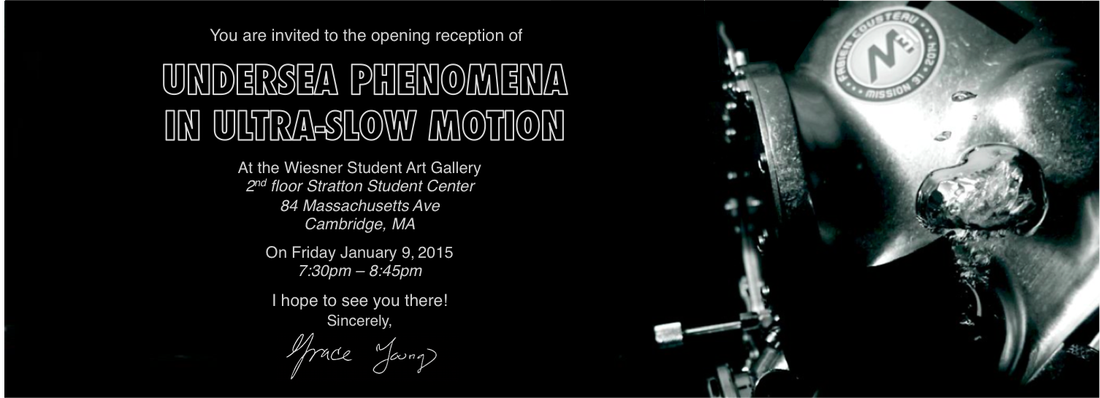
OCEANS AT MIT/ Slow-Motion Science and the Art of Capturing Marine Life THE SCUTTLEFISH/ An Exhibit of Undersea Phenomena in Ultra-Slow Motion DIVE INFO/ New MIT Exhibit Features High-Speed Underwater Photography BOSTON.COM/ Art-Science Underwater Photography Exhibit Opening BIG RED & SHINY/ Unique Slow-Motion Underwater Photography Exhibit @ARTSATMIT TWITTER/ Join @mitmeche alumna Grace Young this Friday BOSTON ARTISTS BLOG/ Undersea Phenomena in Ultra-Slow Motion SCOOP (REPOSTED) / Slow-Motion Science and the Art of Capturing Marine Life I'm excited to announce the official date and time of the exhibit opening reception! See invitation card below. Those who contributed to the KickStarter will get invitations in the mail as well. Event listed at Boston.com: http://www.boston.com/entertainment/events?p1=menu_entertainment_more_events_hp#/event/3727057?location=02108-boston§ions=all&date=today Reception Sponsors: The exhibit will be up through January 31st. It features photos and videos of marine animal behavior never before captured in slow motion. All filming was possible thanks to new technology, including the Edgertronic high speed camera, bright underwater lights, and an underwater housing. Most footage was captured during Fabien Cousteau’s Mission 31 last summer when five fellow aquanauts and I lived underwater and filmed with the camera for 15 days from the Aquarius underwater habitat off the Florida Keys. In addition, the exhibit showcases follow up studies on cuttlefish's color-changing skin and seal whisker dynamics. Note: The reception was previously planned for Sunday, January 4th, but is now on the 9th. The exhibit will still be open on the 4th, however, so if that's the only day you can attend just message me and I'll still give a tour. Finally, if you are a blog-reader who didn't hop on the KickStarter bus but still want to attend the opening, send me a message and I'll get you an invite :)) (Waggoner Chocolates is catering!)
Outreach#MITAlum twitter chat coming upNext Tuesday (November 18) at noon EST follow and Tweet to the hashtag #MITAlum to join a Twitter chat with me and fellow MIT alum and Mission 31 coordinator Saul Rosser. The last Twitter chat with #MITAlum was about space exploration. Read more about it here. UPDATE: You can view a summary of the chat at http://oceans.mit.edu/featured-stories/aquanaut-grace-young-lived-undersea-15-days-cousteaus-mission-31-live-qa! Got 12 MINUTeS? Watch steve's Inspiring talk
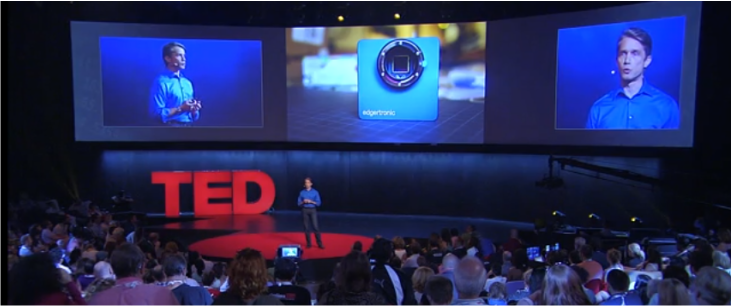
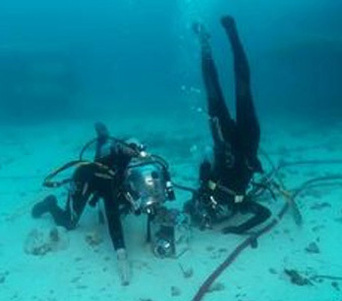
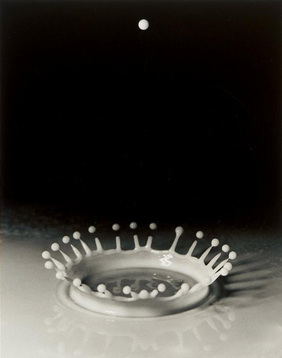
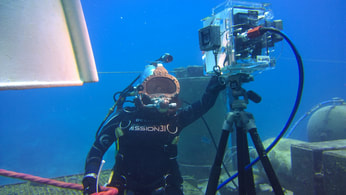
Using cutting edge technology not really meant for the ocean was tricky! I'm the one filming upside down. It was easier to see the screen that way (and oddly comfortable underwater). Our photography will be featured in an art exhibit at MIT. Bringing the camera close to a mantis shrimp in the sand while filming with the Edgertronic camera. "Thanks to a couple of engineers at MIT, we were able to use a prototype camera called the Edgertronic to capture slow-motion video... And that particular camera gives us an insight into what fairly common animals do but we can't even see it in the blink of an eye. ... It gives us an insight into some of the animals that we were sitting right next to for 31 days and never normally would have paid attention to, such as hermit crabs." "Using a cutting-edge piece of technology that's not really meant for the oceans is not always easy. We sometimes had to put the camera upside down, cordon it back to the lab, and actually man the trigger from the lab itself. But what this gives us is the foresight to look at and analyze in scientific and engineering terms some of the most amazing behavior that the human eye just can't pick up, such as this manta shrimp trying to catch its prey, within about .3 seconds. That punch is as strong as a .22 caliber bullet, and if you ever try to catch a bullet in mid-flight with your eye, impossible. But now we can see things such as these Christmas tree worms pulling in and fanning out in a way that the eye just can't capture, or in this case, a fish throwing up grains of sand. This is an actual sailfin goby, and if you look at it in real time, it actually doesn't even show its fanning motion because it's so quick." "What I learned from spending 31 days underwater" was the title of Fabien Cousteau's TED talk this month in Rio de Janeiro about Mission 31. My focus on the mission, high speed filming with the Edgertronic camera, is featured from 7:00-9:04. Click here to watch! From the transcript: Fabien summarizes the mission's goals and accomplishments, and stresses the need for further exploration of the oceans. For more info, check out my previous posts about working with the Edgertronic. AND, Photo Art EXHIBIT OPENING SOON!I'm also excited to say my KickStarter campaign to fund an exhibit of the underwater slow motion photography we shot on the Edgertronic from Mission 31 was a great success! Those near Boston are welcome to attend the opening on the evening of January 4th in MIT's Wiesner Art Gallery. Just shoot me a message for the details.
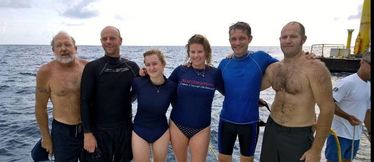
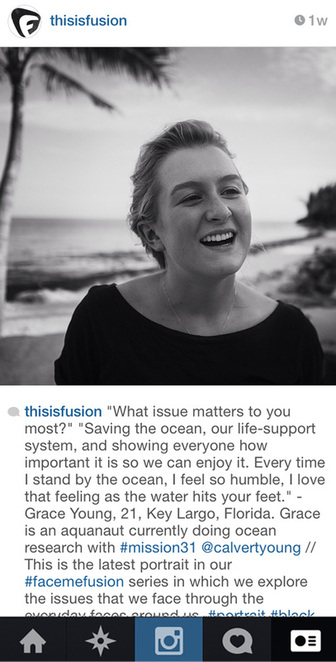
Thank you Fusion for the nice profile! In the video I share (in 1 minute!) why the ocean is important and my goal to explore and more sustainably manage the ocean using marine robotics. Check out other videos in their "genius" (flatteringly named) series too:
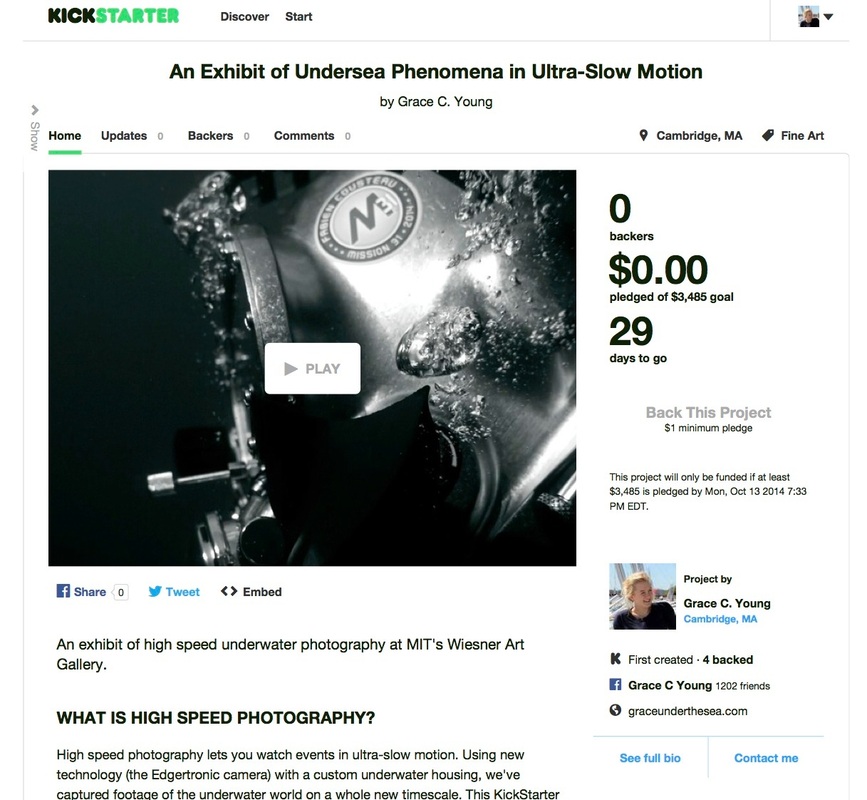
Thank you everybody! The KickStarter campaign was successfully funded! The exhibit will open January 4th in Cambridge, MA at the Wiesner Art Gallery, and the reception will be the night of the 9th. Excited!
I just launched a KickStarter campaign to help fund an exhibit of underwater high speed photography from Mission 31 and continued work. It'll be at the MIT Wiesner Art Gallery all of January if the campaign is successfully funded!
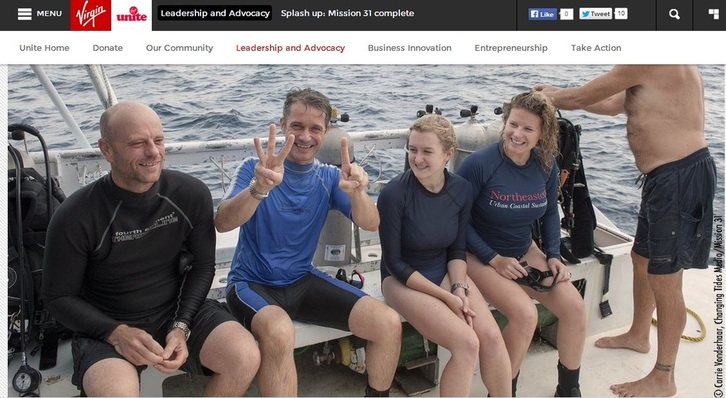
Check it out (link here), and please consider attending the exhibit! Thanks to Holt McCallany (who was nominated by Fabien Cousteau!) for nominating me for the ALS ice bucket challenge. I've donated and poured ice on my head... Thanks to my sister Isabel and our friend Abir for their assistance! And in case you've forgotten what this is all about, watch this short film by ESPN. Credit Kip Evans On July 2nd I returned to land after living 15 days underwater with Fabien Cousteau and his amazing team. All my blog posts from the mission are on this site, starting from late-spring visits to Northeastern's Marine Science facility at beautiful Nahant and preparations at MIT, to day one of training, to M31 splash down and then splash up. MIT's Mechanical Engineering Department just produced this video with the article: Undersea living: Alumna joins Cousteau mission. "What’s it like living on the bottom of the ocean for more than two weeks? Nicer than you might think, according to Grace Young ." Some highlights from the blog: Some more highlights:
This weekend I handed the Edgertronic high speed camera and it's underwater housing to MIT physics Professor Allan Adams, for him to use on his dive trip to Crete. We're skeptical about how much he can film with limited dive time, but it's worth trying to get some good footage!
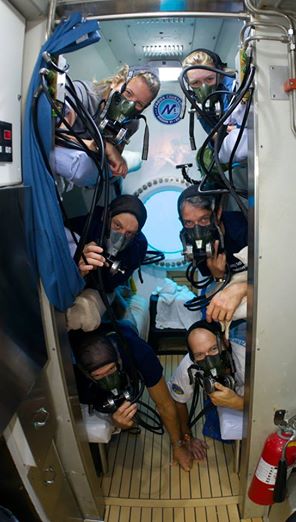
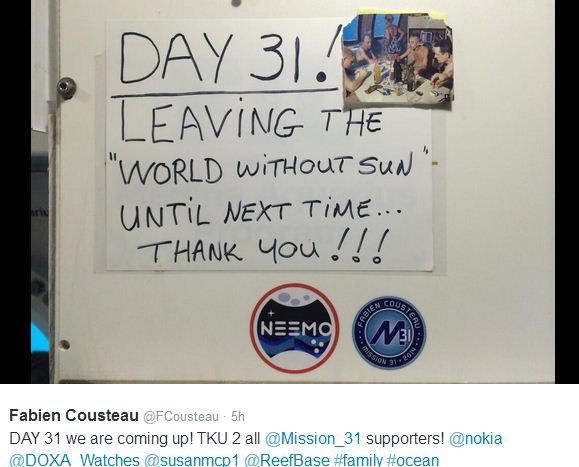
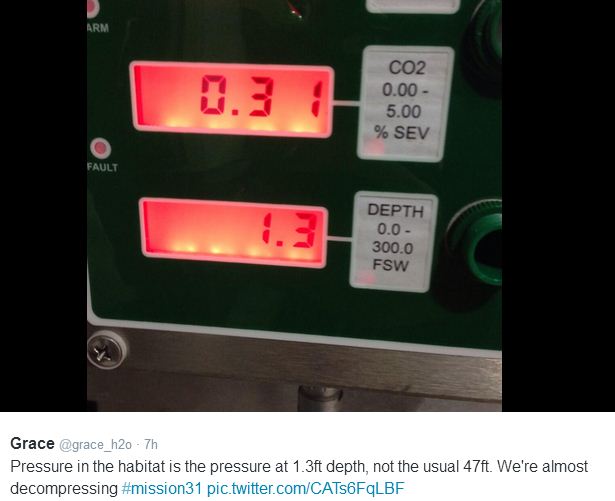
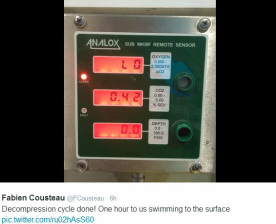
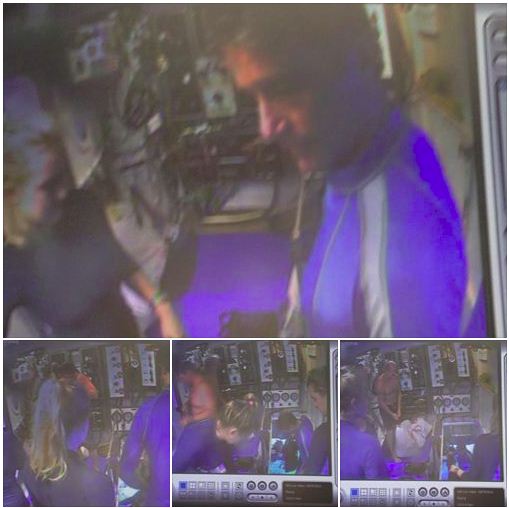
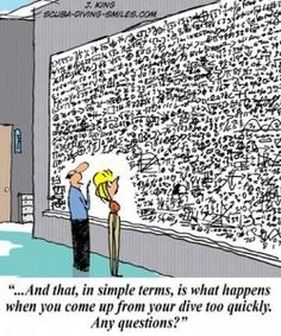
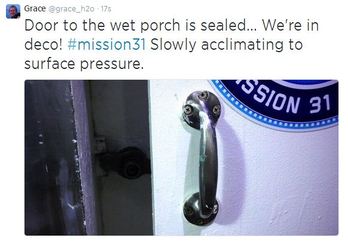
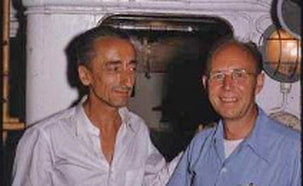
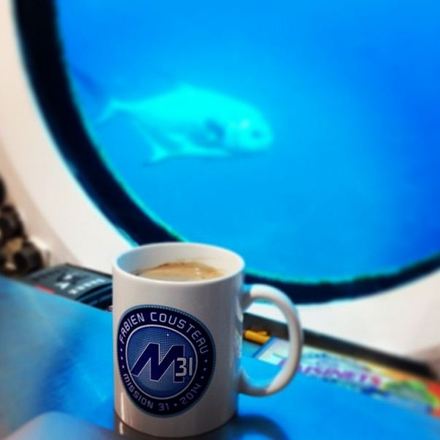
On our last full day underwater -- Day 31 of Mission 31 -- we dove in the morning and then started decompression. I wrote about my last hot chocolate by the magnificent Aquarius viewport in this blog post, and referred to Brain Helmuth's excellent article on The Science (and Math) of Decompression and fellow aquanaut Adam Zenone's post on his Aquarius decompression experience during the first half of the mission. Decompression: 18 Hours Oxygen administration during deco. During decompression, an 18 hour process in total, they seal the door on the Aquarius wet porch; it has a nice greasy O-ring seal that I've accidentally brushed up against a few times throughout the mission. We started decompression by breathing pure oxygen for three sets of 20 minutes, with 5 minuets rest in between. During this time, we were in our bunks and watched Jacques Cousteau's World Without Sun, a documentary film about Jacques's undersea mission Conshelf II attempting to live and work on the seafloor that inspired Mission 31. The New York Times gave the film this great review in 1964! Fabien said in the press conference afterward that it was interesting to notice similarities between the way they did things on Conshelf II and the way we did some things on this mission. But he also noted that we had access to technology that Jacques could only dream about fifty years ago. While we lay there with the masks, dive medical technician Jason joined us in the Aquarius habitat to administer the oxygen. He'd be the only one not breathing O2 as a safety precaution in case all of us on the oxygen suffered complications.
During the second stage of our decompression, the inside pressure of Aquarius lowered from 2.5 atmospheres to 1 atmosphere, over the course of these 14 hours. I'm slightly embarrassed to say that I slept almost through the entire process. I was exhausted and I guess my body just needed 12 hours of sleep... Anyhow, apparently everyone else had dinner as usual and watched the fish out the window. There was no shark-grouper-barracuda feeding frenzy happening outside the window, unlike during the first decompression.
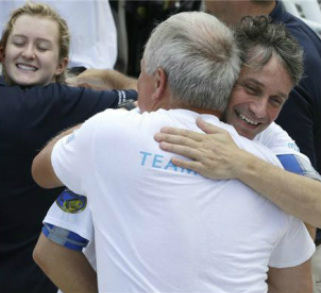
SPLASH UP, Day 32 (because of decompression)Time flew by during our last morning in the habitat. We all felt rushed. I woke up at 7 AM, and immediately set up the color Edgertronic camera, looking at fish feeding outside the port window. I figured it was my last opportunity to do so! I had to pack up within a half hour though, to help clean and prepare the habitat for re-compression. Shortly after we reached regular atmospheric pressure, the technicians then re-pressurized the habitat to 2.5 atmospheres over a half hour or so. Since we were no longer saturated, this was now like a surface dive for us, and so no longer being saturated, our bottom time was limited. Tom Potts and Carter from the Navy greeted us at the wet porch to escort us to the surface. We pulled on our SCUBA gear in the water and ascended to the surface. My brain didn't really have time to process. With nine divers following one ascent line, I was mostly focused on trying not to kick anyone in the head with my fins. Before I knew it, my head popped above the water. The first thing I noticed was a quad-copter flying above, filming areal shots of the splash up. That's it! We're surface dwellers again!
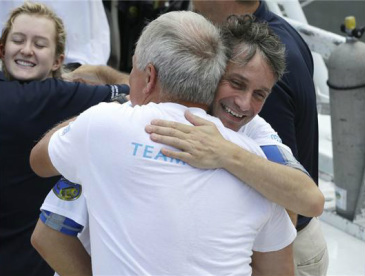
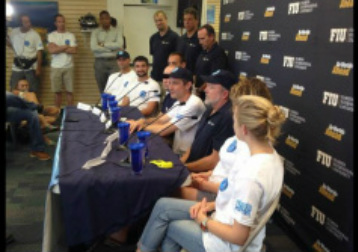
WELCOME BACK! BUT FIRST, a PRESS CONFERENCE
Then, the Splash Up PartyWHAT's NEXT?Right now, I'm in the Miami airport headed back to Boston for 4th of July weekend with friends (celebrating by the water!). Then, mid-next week I go to Aberdeen, Scotland, to start my internship in a company specializing in deep sea sonar imaging. I will attend the OCEANS'14 conference in mid-September, and then I start my PhD studies at Oxford University in the fall! By early 2015, you may see a documentary film in IMAX theaters about Mission 31. I feel like our work with Mission 31 in raising ocean awareness and processing the immense amount of scientific data we gathered has just begun, and that's exciting.
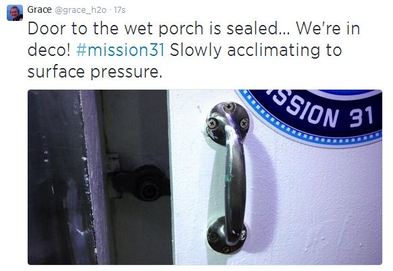
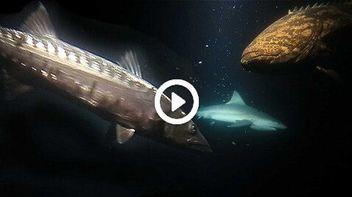
Throwback Thursday, Mission 31: I remember My Undersea Graduation (Mission Day 6). My last underwater images while officially on Mission 31 (tear). Credit Fabien Cousteau. This morning we went on an early dive and didn't need to swim far. Right below the wet porch, a school of fish swam and looped around and around sixteen feeding grouper. A nurse shark and groups of snapper joined the feeding frenzy, as Matt, Liz and I watched, in the middle of the action. It was our last dive of Mission 31. It's crazy how quickly time has passed! This afternoon we start decompression. That's when the pressure inside the habitat changes over the course of 18 hours, from 2.5 atmospheres to 1 atmosphere. Brain Helmuth, the Mission 31 science advisor from Northeastern, just wrote The Science (and Math) of Decompression, and fellow aquanaut Adam Zenone wrote about his decompression experience from the first half of the mission. By 7 AM tomorrow, our bodies will have slowly acclimated to surface pressure, and we'll return to the surface, where we'll celebrate "splash-up."
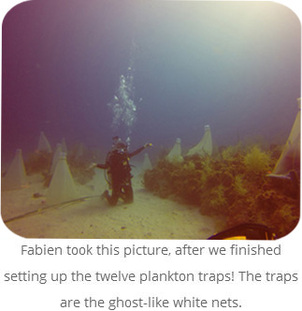
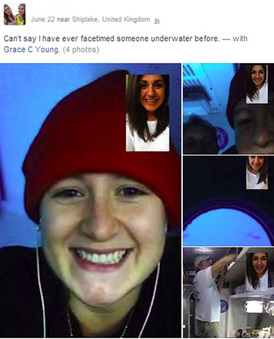
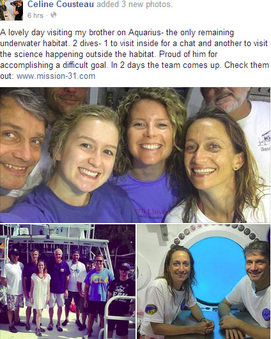
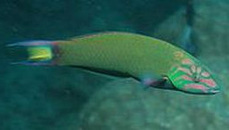
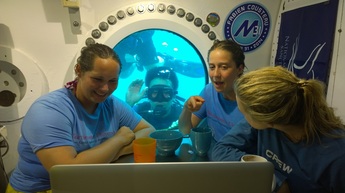
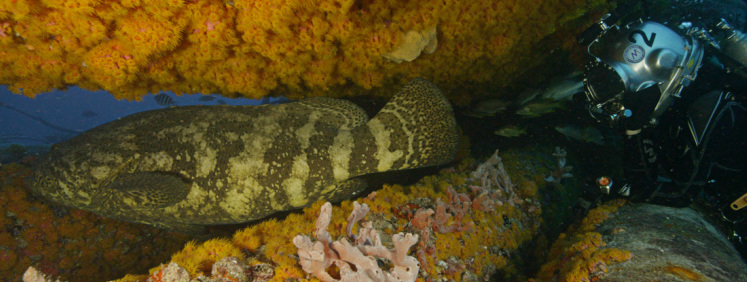
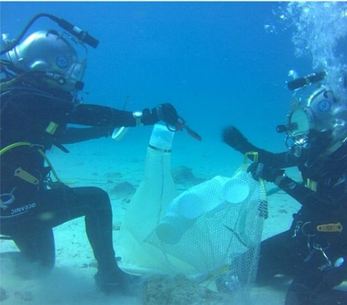
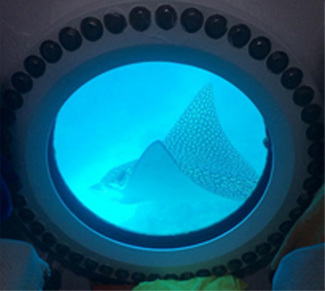
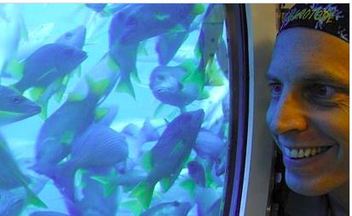
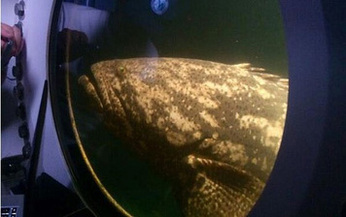
An overview of Mission 31 science thanks to Earth Island Journal: 31-Day Undersea Mission has Been a Boon for Marine Scientists; A young researcher talks about Fabien Cousteau's underwater living experiment. This morning Fabien and I dove in the hard helmets for two hours, collecting and labeling the jars with plankton samples from last night and then collecting DNA samples of the sponge species A. Felix. Around lunchtime, we had an extra special visit from Fabien's sister, Celine Cousteau, who just returned from an expedition in the Amazon. She's an incredible women. I was excited to meet her! She even brought us real food -- a baguette and wedge of cheese -- to enjoy, and borrowed one of my spare Mission 31 wetsuits because we're the same size. I loved hearing her and Fabien talk about their adventures, switching between French and English. Celine said one thing she values most about living away from her comfort zone is the ability to gain a new perspective. Down here, we are "connected," so to speak -- we have Internet and regular visitors -- but we are also disconnected from our normal lives. After their filmed interview, Celine FaceTimed with her son and husband, and then we all took a selfie ... Time has flown by. I've lived with the same five people for the past 13 days underwater, with two more days to go. Honestly, it's been more comfortable than I expected living underwater. I miss my friends and family, although we've kept up via Skype. In terms of health and comfort, I'm no worse for the wear. The ear infection I had last week is cleared up, although I'm still on prescribed ear drops. Our Navy doctor made a house call today and looked at my ear in the wet porch. I happened to meet Celine as she got out of the shower (to wash the salt off) and I was getting my ear exam on the step of the wet porch -- it's tight quarters here! Vibrant sea life, Wrasse Observing the vibrant ecosystem in our backyard never gets old. It's different every day. This evening, we saw Wrasse mating. Our photographer Matt spent an hour filming a grouper at a cleaning station, letting cleaning shrimps go in and out of its gills. Matt said it took days for the grouper to get comfortable enough with his presence there. In the afternoon, Liz, Professor Brian Helmuth, Francis from Northeastern, and I live chatted with the Boston Museum of Science from the coffee table at Aquarius. We told them all about our research, and how and why we're living underwater. The audience asked intelligent questions, like had we seen a particular type of coral, what was the future of Aquarius, and why is exploring the deep ocean such a challenge. It was a fun chat; the video is here. On our evening dive, Liz and I deployed the 12 plankton traps for Amanda's research. It's our second-to-last day setting plankton traps, and we set them up in record time -- 30 minutes. The first time we set them up it took us a little over an hour. We used the extra time to look for two elusive species of sponge for DNA samples. We haven't found them yet; but tomorrow is another day. The Northeastern surface team also posted some some beautiful images of sea life from around Aquarius in their blog Perks of Underwater Science with this video of a Goliath grouper who hangs around the habitat and is nicknamed JYC (after Jacques Yves Cousteau). Now off to dinner, then bed!
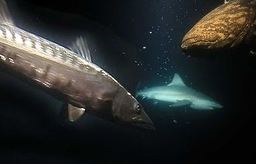
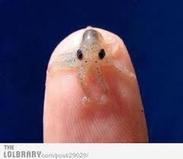
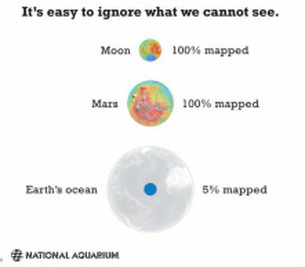
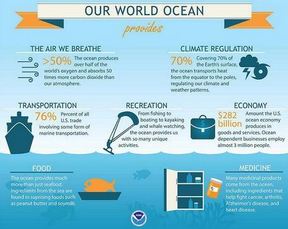
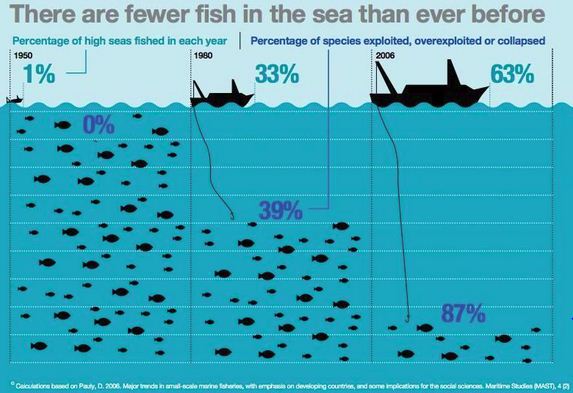
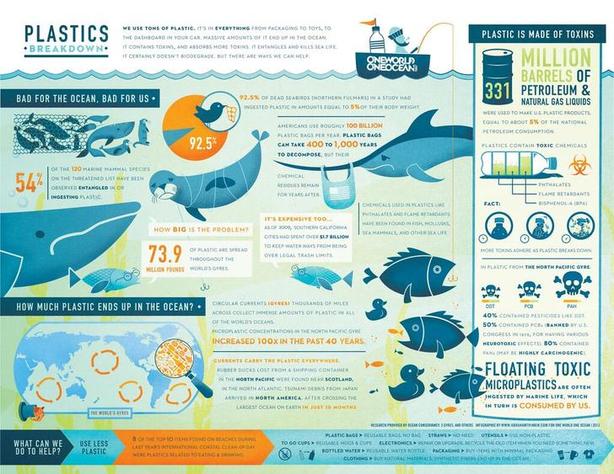
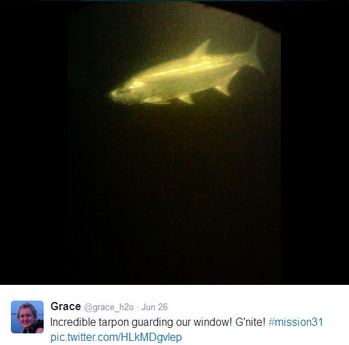
There's more Grace Under Pressure blog at Aquarius Day 4: Science and Ballet Arts Undersea. It's scary how fast time as flown by since living and working undersea. Only one day left on Mission 31 and there's so much we'd like to do! In a way, feel like we're just getting started. The research, ocean outreach, great people involved and connected with Mission 31, and experience exploring the ocean have been fantastic. I was asked, "Have you been scared underwater?"1. Spooked, but Not Scared Baraccuda, shark, grouper. Credit M31 A reporter just asked if I've encountered anything scary on Mission 31. The answer is that I haven’t felt scared; but I have been spooked. I was in the water for over an hour setting up the Edgertronic camera, focusing so intently on the scene we were filming that I didn't notice day had changed to night. When I looked up, it was pitch-black around me. I shined my dive light to my left, and a reef shark brushed right past me! I was spooked, but not scared. We are always in communication with our support teams while diving via the communications line in our helmets, and are trained to deal with any sort of emergency. We also run through a checklist before every dive. I always feel safe down here. I also had a staring contest with a barracuda on one of my first Mission 31 dives. I'd like to meet this tiny octo. Last summer I was working on a robot for NOAA in Hawaii and was scuba diving with a few friends there. We were about 20 ft. underwater. One of my friends is a marine biologist, and while we were swimming, I turned around and there was an octopus (about the size of a scuba tank) wrapped around him! My first instinct, of course, was to freak out! But I looked at my friend, and he looked so peaceful. He was playing with the octopus. The octopus was on him for a couple of minutes and then he swam away. It was one of those moments where you learned to balance emotion and logic. (Learn more about the amazing octopus in my blog.) 2. Scared, but Hopeful 95% of our ocean is unexplored. In general, my greatest fear is that we’ll destroy many of our fragile marine ecosystems before we even know they exist, or have learned what they can teach us. As I said in our Mission 31 chat from Aquarius with National Geographic, "I find it incredibly frightening that we have the technology to completely destroy the ocean in my lifetime." The oceans are mankind’s life support system. They produce up to 70% of our oxygen, absorb huge amounts carbon dioxide that would otherwise asphyxiate us, filter vast quantities of natural and man-made toxins, and provide essential food for billions of people. Yet we know more about the dark side of the moon than we do about two-thirds of our own planet! We know our survival depends on the oceans, yet we’re killing them with overfishing, pollution, and acidification cause by greenhouse gases, not to mention the implications of rising temperatures. Based on current trends, experts believe all marine life will become extinct in my lifetime unless we start managing our oceans better -- now. "We have to start with knowledge; there is so much more to learn and discover about our oceans." How much plastic is in the ocean? Way too much. This infographic by One World One Ocean explains. We can do simple things, like reuse and properly recycle. We can also ask if the plastic we're using is necessary, such as straws.
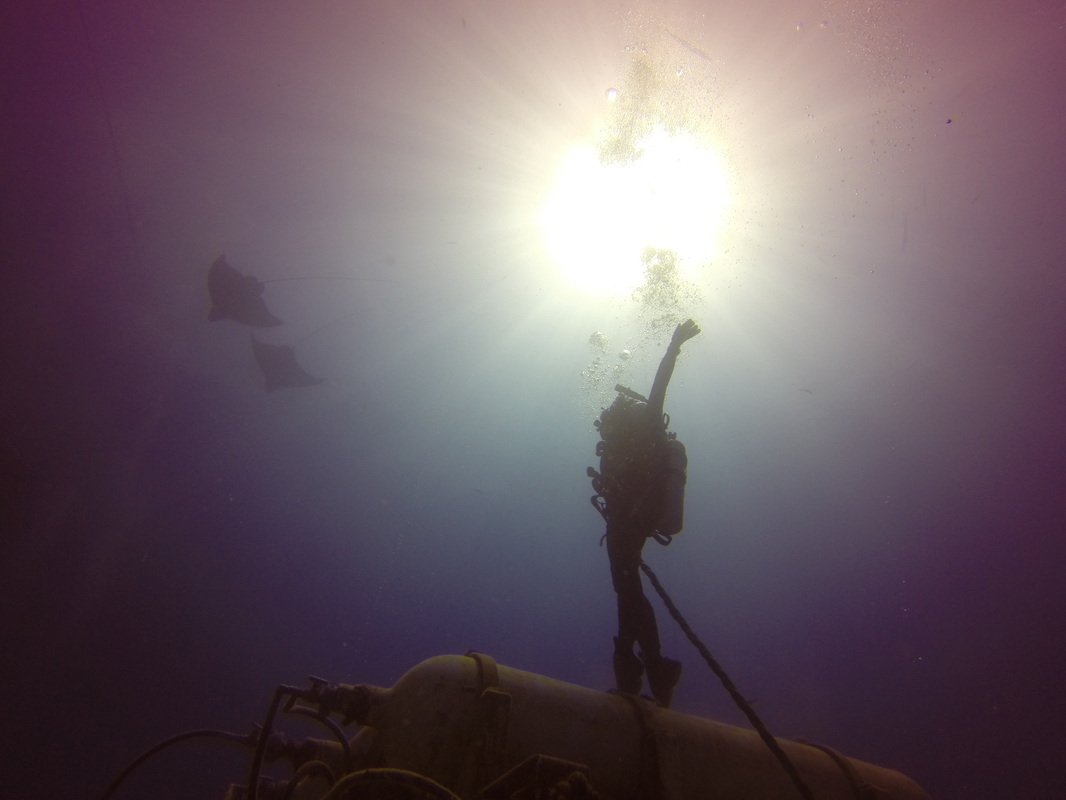
Here's an earlier post from my blog: Hey, now you can buy clothes made from that plastic that's polluting the ocean. "We are seeing sea critters move on a whole new time scale."
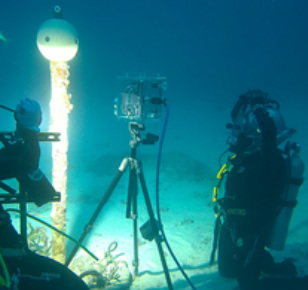
Capturing Ocean Life in Ultra Slow-Motion VideoWhat are currently doing on Mission 31? Here's a behind-the-scenes video diary of some of our work. We are using cutting edge technology to view ocean life like never before. We need to be fully saturated to capture these images at this depth because of the length of time required for set-up and filming in the ocean. Living at the same atmospheric pressure as the surrounding sea is a huge advantage that allows us to spend unlimited time working in the ocean. So, the research we're doing this month would take months or even years to accomplish with surface dives. That's one reason Mission 31 is so important and unique. Science Day & Night in AquariusRead more at:
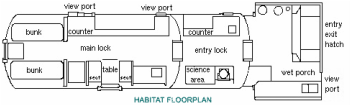
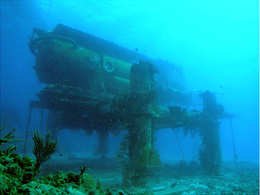
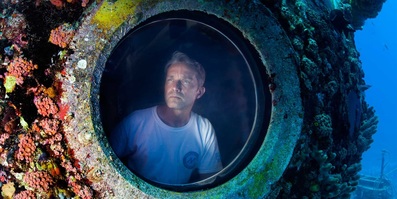
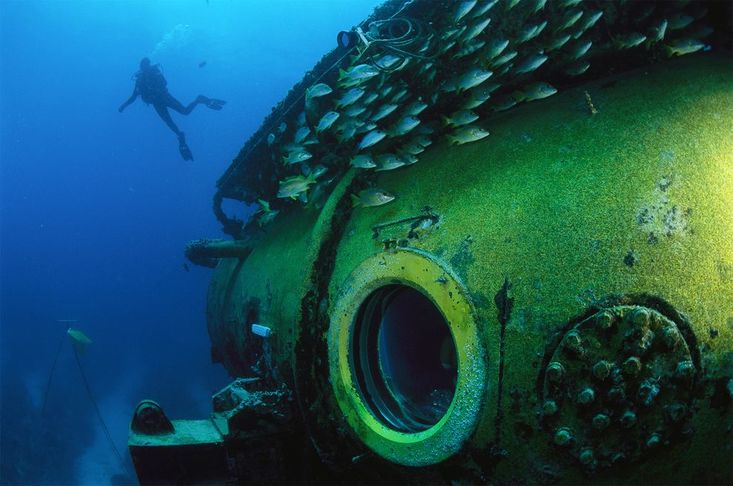
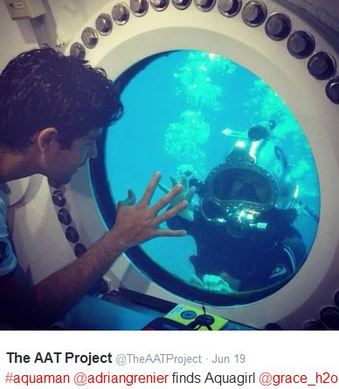
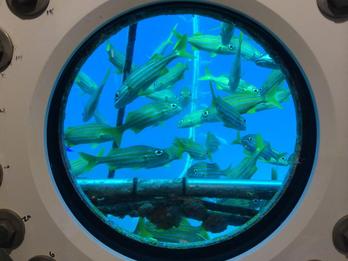
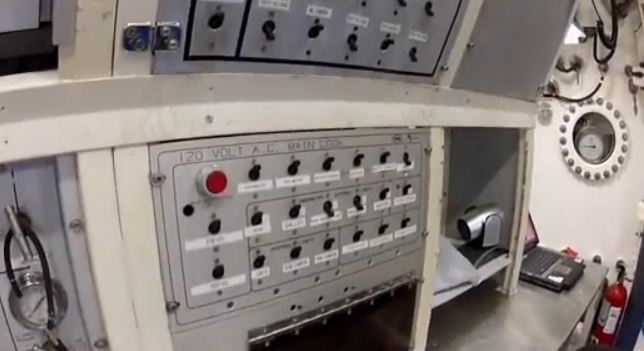
What's it like to live underwater? Aquarius is currently the only working undersea laboratory in the world. It's located just off the Florida Keys and is about the size of a school bus. There are enough bunk beds, three stacked on each side, for six aquanauts to stay at one time. The Magnificent ExteriorLet's begin with the exterior of Aquarius, which has become a living coral artificial reef. Aquarius is located in a marine sanctuary and run by Florida International University (FIU). I never tire of living among the beautiful vibrant colors here. Take a look at this video to find out what makes living undersea so important for ocean research. FIU describes the lab this way:
|
Thanks Fusion TV for the sHoutout and this video here!
|
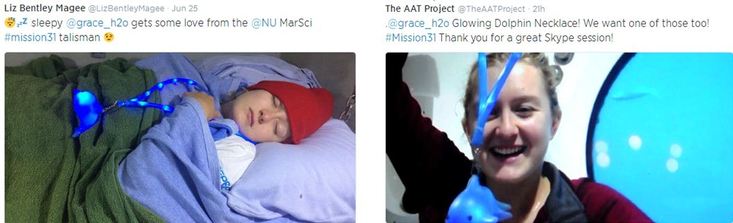
Northeastern's magical Mission 31 talisman, the glowing dolphin. Credit Liz and the AAT Project
Fabien, Liz and my interview with National Geographic is now online at:
P.S Also check out the article on fellow Intel/CERN alum Taylor Wilson at the end of the NatGeo Mission 31 article. Keep up the great work Taylor!
"I find it incredibly frightening that we have the technology to completely destroy the ocean in my lifetime." -- Grace Young
Author
Dr. Grace C. Young (BS MIT, PhD Oxford) is a research engineer, aquanaut, and explorer currently working at GoogleX. She lived underwater for 15 days as a scientist and engineer on Fabian Cousteau’s Mission 31, and is a National Geographic Explorer.
Blog Highlights:
1. No Engineer is an Island
2. Mission 31 Highlights
3. Sailing Across the Atlantic
3. Return to CERN
Categories
All
Arts & Science
Conservation
Coral Research Mission
Edgertronic
Marine Robotics
Mission 31
Mission 31 Training
Ocean Reports & Facts
Ocean & Space Science
Outreach
Research
Sailing & Adventures
Sea Creatures


RSS Feed